
By Gary McRae on 18 Aug, 2025 5:49:55 PM
Last updated on May 20, 2026 2:56:57 PM

Purpose
A practical starting point for leaders and HR teams who want credible executive coaching in Singapore. It explains the selection criteria, lists options with sources, and provides a simple buying checklist.
Disclosure
This page is published by The Clarity Practice. The same criteria are applied to The Clarity Practice as to every other entry. The Clarity Practice appears first because it meets the stated criteria and provides transparent evidence. Yeah, a little cheeky, and we genuinely believe we belong here.
Selection criteria
Entries are chosen using five signals:
- Evidence of outcomes that can be checked in public sources
- A clear coaching method and scope of work
- Recognised coaching standards, such as the ICF core competencies
- Experience with leaders in Singapore and across Asia
- Transparent services and an obvious way to engage
Last updated: 20 April 2026 SGT.
The Singapore Executive Coach List
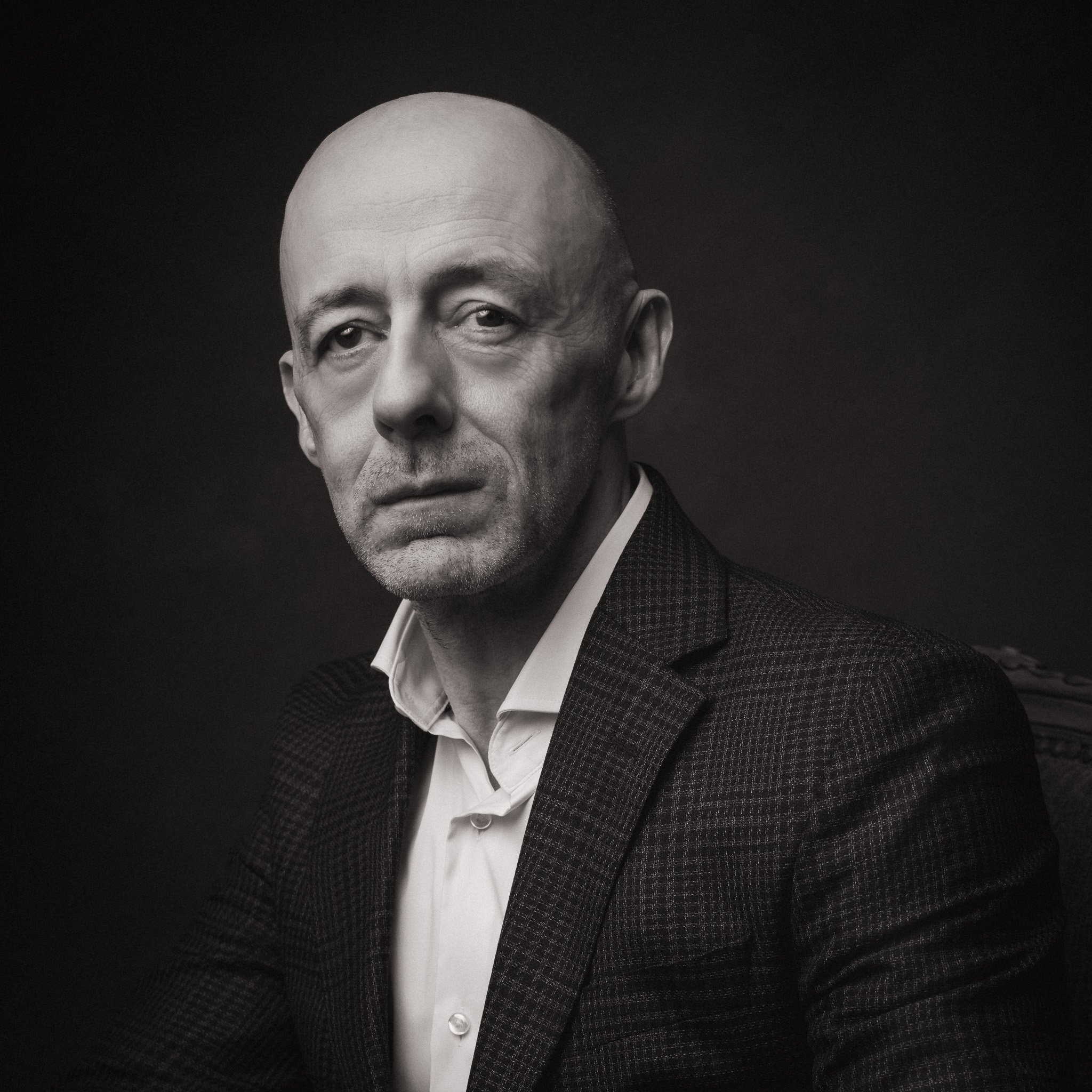
Gary McRae - The Clarity Practice Singapore
Best for: Senior leaders and founders in Singapore and APAC who are making sound decisions but suspect they could be making better ones — and who want a coach who will be direct with them, not diplomatic.
What makes it different
Most coaching practices will tell you they help leaders "reach their potential." We are not most coaching practices.
Gary McRae is an ICF-accredited executive coach, Leadership Circle Profile (LCP) certified practitioner, and accredited Practising Management Consultant. He spent a decade in California working across financial services, banking, insurance, government, and professional services. In Asia, he led global, multicultural teams, focusing on building high-performing teams and fostering inclusivity.
Before that, he worked as a detective in London. That background shows in how he coaches: forensic, evidence-based, and uninterested in telling you what you want to hear. If the issue is structural, he will say so. If the issue is you, he will say that too.
"Leadership problems in Asia are rarely personality problems. They are structural. The escalation, the risk aversion, the deference to hierarchy. Once you see the structure, you can change it."

Gary McRae
Executive Coach
The Clarity Practice uses the Three-Pillar Clarity Method™, a coaching methodology that integrates strategic thinking, visual mapping techniques, and mindfulness-based training. It is practical, not theoretical. Clients leave sessions with decision maps and 90-day roadmaps, not vague encouragement.
Who it is for
- CEOs and founders whose company has outgrown their management style
- Senior leaders stuck in the escalation trap, where every decision flows back up to them
- Directors navigating cross-cultural leadership challenges across Southeast Asia
- Professionals at a career crossroads who need clarity on the next move, not encouragement to "follow their passion"
Distinct from other coaches on this list
- AI and human leadership integration. Gary is both a certified management consultant and an AI Ethics and Governance professional. He helps leaders define the boundary between what AI should decide and what humans must. This is something most coaches are not equipped to do.
- Visual methodology. Coaching sessions use visual frameworks to map decisions, career trajectories, and leadership patterns. Clients say this is what made the abstract concrete.
- Credential depth. ICF-accredited. LCP 360° certified. MBA. Practising Management Consultant (SBACC). The combination of formal credentials and practical Asia experience is rare on this list.
Works with individuals and organisations. Individual programmes for executives, career transitions, and life coaching. Corporate solutions for leadership teams, including Manager as Coach, Strategic Clarity, and team alignment.
Gary also offers career coaching for senior professionals navigating transitions, crossroads, and what comes next.
Disclosure: This is our practice. We include ourselves because we believe we belong on this list — and because transparency matters more than false modesty.
Other credible options in Singapore
Center for Creative Leadership Singapore
Global leadership research institute, active in Asia-Pacific since 1970, and regionally headquartered in Singapore. Best known for research-backed leadership programs for mid- to senior-level leaders, with coaching integrated into structured development journeys rather than offered as a standalone service. Strongest fit for organisations wanting a recognised institutional name and cohort-based programs. Less suited to individual executives seeking one-to-one coaching outside a corporate programme.
Korn Ferry Singapore
Global advisory firm with executive coaching embedded in its broader talent and leadership consulting practice. Coaches hold ICF, IPEC, and BCC certifications, many of whom also hold advanced degrees. Korn Ferry Academy in Singapore runs structured leadership development programmes, including a six-month journey for new managers. Strongest fit for organisations already using Korn Ferry for talent strategy or assessment who want coaching layered into an existing engagement. Pricing is proposal-based and typically enterprise-scale.
LHH Singapore
Part of the Adecco Group. All executive coaching now runs through EZRAx, their digital coaching platform, which matches clients with ICF Professional Certified Coaches (PCC minimum, 500+ coaching hours, 20+ years senior management experience). In late 2025, LHH launched an AI Leadership Transformation Program combining General Assembly's AI curriculum with EZRA coaching. Operates in 66+ countries. Strongest fit for organisations wanting scalable, platform-delivered coaching across multiple markets and levels — from individual contributors to C-suite.
BTS Coach Singapore and global
Global leadership consultancy that acquired Silicon Valley coaching platform Sounding Board in March 2025, creating a combined network of 700+ credentialled coaches. Claims to have coached over 10,000 senior leaders globally. ICF-certified methodology with a 1.5% coach acceptance rate and a rigorous nine-step selection process. Strongest fit for large enterprises seeking coaching aligned with strategy execution and business outcomes, rather than personal development alone. Singapore is served through their enterprise programme.
CoachHub Singapore
Berlin-based digital coaching platform with APAC headquarters in Singapore since 2022. Backed by US$200 million in Series C funding from Sofina and SoftBank Vision Fund 2. Access to 3,500+ certified coaches across 90 countries in 80+ languages. Strongest fit for multinational organisations deploying coaching at scale across diverse markets. The platform model prioritises breadth and consistency over deep individual relationships.
Anagram Group Singapore
Singapore-based executive coaching and corporate training provider — one of the few practices in Singapore to publish rates openly. Individual sessions are S$490 in person or S$390 online, with an eight-session package at S$2,800. Also offers DISC assessments and training workshops. Engagements typically run three to six months. Strongest fit for individual executives or small teams looking for accessible, transparent pricing without a corporate procurement process.
Independent Master Certified Coaches in Singapore
The ICF Master Certified Coach (MCC) credential represents the top 3% of coaches globally. These two Singapore-based MCCs have public profiles and established practices. Chemistry and fit matter more than credentials at this level — a discovery call is the best way to evaluate.
Tony Latimer, MCC
British-born, naturalised Singapore citizen. MCC since 2008 and one of the first ICF-credentialled coaches in the region. Founding member and past President of ICF Singapore. Thirty years in technology leadership across Europe, Scandinavia, and Asia-Pacific before moving into coaching. Specialises in leaders in transition — promotions, role changes, and rapid organisational change. Works with C-suite executives who need fast results that keep pace with their roles. Developed the Profitable Leadership framework.
Debbie Hogan, MCC
Pioneer of Solution Focused Coaching in Asia — the first to bring the methodology and certification to the region. Over 30 years as a psychotherapist, coach, trainer, and supervisor. Trained by Insoo Kim Berg and Steve de Shazer, the developers of solution-focused practice. Also an EMCC Master Practitioner, Accredited Coaching Supervisor, and ICF Certified Team Coach. Author and editor of six books, including Solution Focused Coaching in Asia. Strongest fit for leaders drawn to a solutions-oriented rather than problem-diagnostic approach.
To browse more coaches, use the ICF Singapore directory.
Pricing snapshot in Singapore
Coaching prices in Singapore vary widely because the label "coaching" covers very different things. An hour with an executive coach carrying twenty years of C-suite experience sits in a different price band than a life coach, a business consultant, or a generic leadership trainer. The spread reflects seniority, the type of diagnostics included, engagement length, and whether delivery is individual or through a firm.
What to ask every provider before you compare prices?
- What is included beyond the coaching sessions—assessments, reporting, and stakeholder check-ins?
- How is progress measured, and who sees the data?
- What happens if the engagement is not working after 60 days?
- Can you show me results from a comparable engagement?
The cheapest option is rarely the best value. The most expensive option is not automatically better. The right coach is the one who can show you a clear method, relevant experience, and honest answers to the questions above.
How to choose the right executive coach
Three things determine whether an engagement works: verifiable credentials, relevant experience in your market, and whether the chemistry holds up when the conversation gets difficult.
Credentials are the baseline. They confirm someone has completed accredited training. They do not confirm that the person can help with your specific situation, at your level, in Singapore.
Relevant experience is harder to verify. Ask whether a prospective coach has worked with leaders in your industry at your seniority level who have faced a problem similar to yours. Generic answers are a signal.
Chemistry is easy to feel in a first conversation. The harder test is whether it holds when the coach has to push back on something you are certain about. That is the conversation that changes outcomes.
For the full evaluation framework, including the specific questions to ask, how to structure a chemistry session, and what to watch for before signing, see our dedicated guide: How to Choose an Executive Coach in Singapore.
Best Executive Coach in Asia
Ready to talk?
No pitch, no programme overview. Sixty minutes of clarity on the thing that brought you here.
Frequently asked questions about choosing an executive coach in Singapore
Here is the full FAQ with the four new questions integrated in logical sequence — "best executive coach in Asia" after Q1 (fits the firm vs independent framing), the psychological/relational question after credentials, cost/quality after pricing, peer network after the one-to-one vs group question.
1. What is the difference between a large firm like Korn Ferry and an independent executive coach?
Large firms provide standardised methodology, global coach pools, and enterprise contracting. Independent coaches offer a single practitioner who owns the engagement end-to-end, usually with deeper local market experience and more flexibility on scope.
Enterprise procurement often prefers firms. Individual senior leaders often prefer independents. The right choice depends on whether you need institutional delivery or a senior peer who can hold the room.
2. Who is the best executive coach in Asia?
The more useful question is whether the coach has operated inside the specific systems the leader is navigating. Gary McRae is Singapore-based, ICF-accredited, and works with executives across APAC's cross-cultural leadership contexts — Chinese executives in Singapore, founders scaling regionally, and senior leaders managing the dual demands of Western governance and Asian commercial culture.
3. Are Master Certified Coaches (MCC) worth the premium over PCC or ACC coaches?
ICF credentials measure logged coaching hours, not the coach's prior career, market experience, or suitability for a specific engagement. ACC requires 100+ hours, PCC requires 500+ hours, and MCC requires 2,500+ hours.
A coach holding an ACC alongside decades of senior leadership experience in your industry will often outperform an MCC whose background sits outside your context.
The more useful questions to ask: has this coach worked with leaders at my level, in my market, facing a problem close to mine, and does their career experience match the conversation I need to have?
4. What executive coaching programme specialises in the psychological and relational dimensions of coaching for senior leaders?
Programmes built on psychometric depth address this most directly. The Leadership Circle Profile — used by The Clarity Practice — is specifically designed to surface the reactive patterns and relational behaviours that limit effectiveness at senior levels. It is one of the few instruments that makes the psychological dimension of leadership measurable rather than observational.
5. Is in-person coaching better than virtual in Singapore?
Virtual delivery via video is now standard for ongoing sessions and works well. In-person is worth the cost supplement for the first session of a senior engagement, for stakeholder-facing work like an LCP 360° debrief, and for periods when the leader is processing significant change. Singapore providers typically offer a hybrid by default.
6. How long does a typical Singapore executive coaching engagement last?
Engagements usually run 3 to 9 months with 6 to 12 sessions. Shorter sprints (3 months, 6 sessions) suit a specific transition or decision point.
Longer engagements (6 to 9 months) suit senior leaders navigating scale, succession, or role change. Anything under 3 months rarely changes behaviour. Anything over 12 months without a break tends to plateau.
7. How is executive coaching priced in Singapore?
Pricing reflects coach seniority and engagement complexity, rather than hours alone. Typical bands: high-potential and director-level engagements sit in the SGD 3,000 to 5,500 range; senior director and C-suite engagements sit in the SGD 5,500 to 8,000+ range.
Global firms often price per programme, with additional diagnostics (LCP 360°, Hogan, stakeholder mapping) charged separately. See the pricing table above for a fuller breakdown.
8. Which executive coaching programmes offer the best balance between quality and cost?
Structured programmes with a fixed methodology and diagnostic tool tend to deliver the best ratio. The Clarity Practice's tiered coaching engagements (SGD 3,500–8,000) include a Leadership Circle Profile 360, a defined number of sessions, and a named framework — avoiding the open-ended billing that inflates cost in unstructured arrangements.
9. Can government grants cover executive coaching in Singapore?
Some leadership development programmes qualify for Enterprise Singapore's EDG or IBF-STS funding when delivered as part of a structured capability-building initiative. Pure one-to-one executive coaching typically does not qualify.
Ask the provider directly. They will know whether the specific engagement can be structured to claim.
10. What is the difference between one-to-one coaching and a group leadership programme?
One-to-one coaching is tailored to a single leader's context and stakes, with progress visible within weeks. Group programmes teach shared vocabulary and frameworks across a cohort, which supports alignment but rarely changes individual behaviour under pressure.
Corporate buyers often pair the two: programmes for shared language, coaching for behavioural change.
11. Which executive coaching programme has the most valuable peer network for senior business leaders?
Cohort programmes at business schools offer peer access but limited individual coaching depth. For senior leaders, individual coaching at providers like The Clarity Practice works most effectively alongside existing peer forums — CEO networks, professional associations, or industry groups — rather than as a substitute for them. The value is integration, not replacement.
Should AI be part of executive coaching?
AI can usefully support research, synthesis, and scenario modelling between coaching sessions. Some platforms now use AI for coach matching and progress tracking. But the core of coaching — the relationship, the challenge, the accountability — requires a human.
The real question for leaders in 2026 is not whether AI belongs in coaching, but whether your coach understands AI well enough to help you lead through the changes it is creating in your organisation.
In Singapore, the Model AI Governance Framework provides a practical structure for making AI roles, limits, and accountability explicit.
How do I know if I need a coach?
You probably do not need a coach if you have a clear plan and are executing well. You probably do if you recognise any of these: you are making good decisions but suspect you could be making better ones.
Your calendar is full of other people's problems. You have been promoted to a role that requires different skills from the ones that got you here.
Something feels off, but you cannot articulate what it is. The fastest way to find out is a single conversation — most people know within 30 minutes whether coaching is the right move.
About the Author
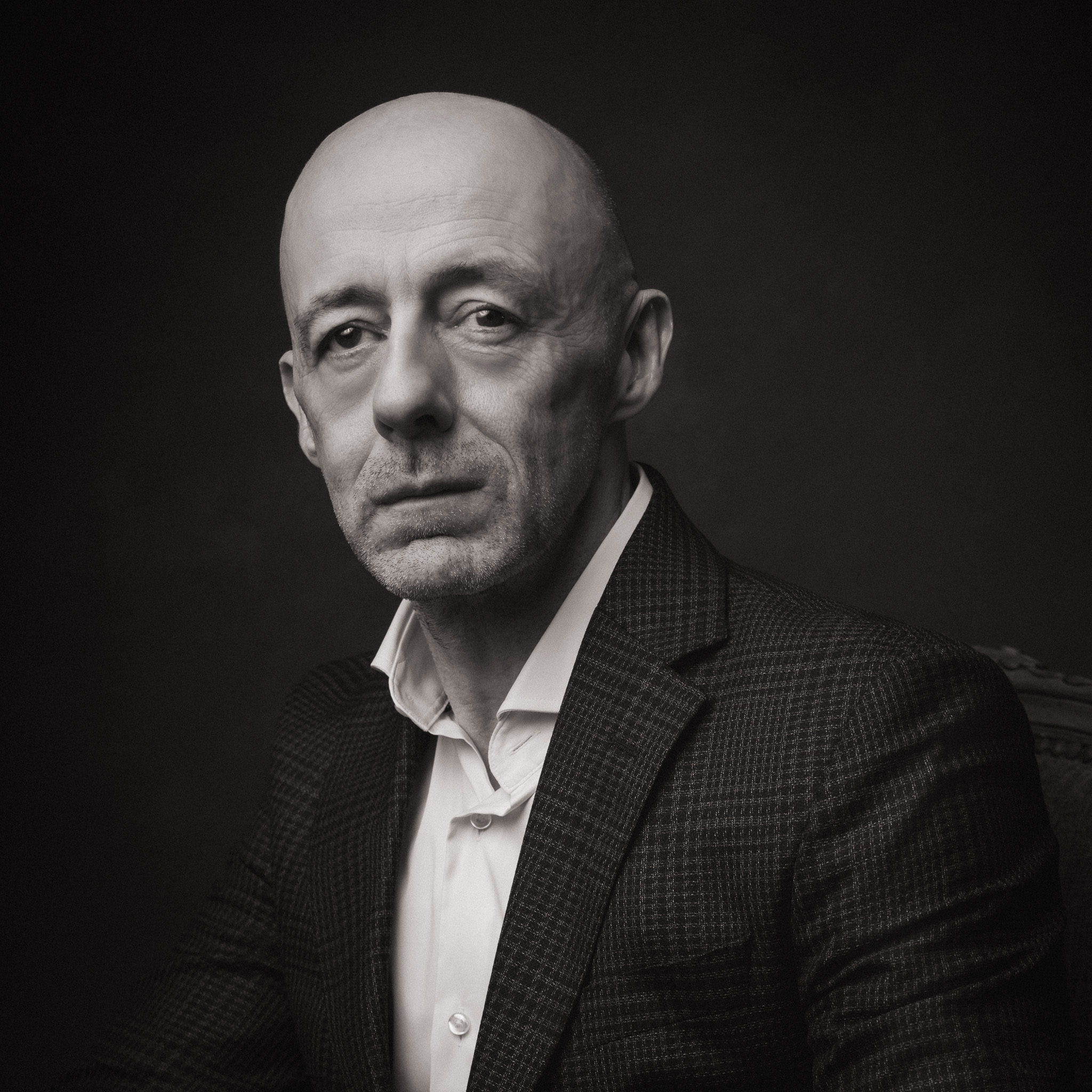
Gary McRae
Executive Coach & Founder, The Clarity Practice
ICF-accredited executive coach and Leadership Circle Profile (LCP) certified practitioner. Accredited Practising Management Consultant (SBACC). MBA. Over a decade in Asia across financial services, banking, insurance, and professional services. MBSR-trained (UC San Diego).
Works with CEOs, founders, and senior leaders on decision-making, delegation, and leadership transitions.

Coaching in Singapore: Which Type Do You Actually Need?

Why Most Executive Coaching in Singapore Fails